

Popcorn Time
About Popcorn Time
Popcorn Time is a streaming application that packages BitTorrent downloads inside a Netflix-style interface, letting you browse movies and TV shows by poster art, click play, and watch within seconds. The technical trick is that it streams torrents in real time, downloading the parts of a file you need right now while the rest queues up in the background.
From the user’s perspective it feels identical to a paid streaming service. From the network’s perspective you’re participating in a BitTorrent swarm. That gap between perception and reality is the whole story of this application.
The legal status of using it has always been complicated, the original project shut down years ago under legal pressure, and several forks have appeared, disappeared, and reappeared in the years since. The fork at popcorntime.app is the most actively used current version, but the lineage of “official” releases has been broken for so long that the term doesn’t really mean anything anymore.
The application itself is free, open source under the GPL, and technically impressive in what it does. The content it streams is where things get nuanced.
How streaming-from-torrent actually works
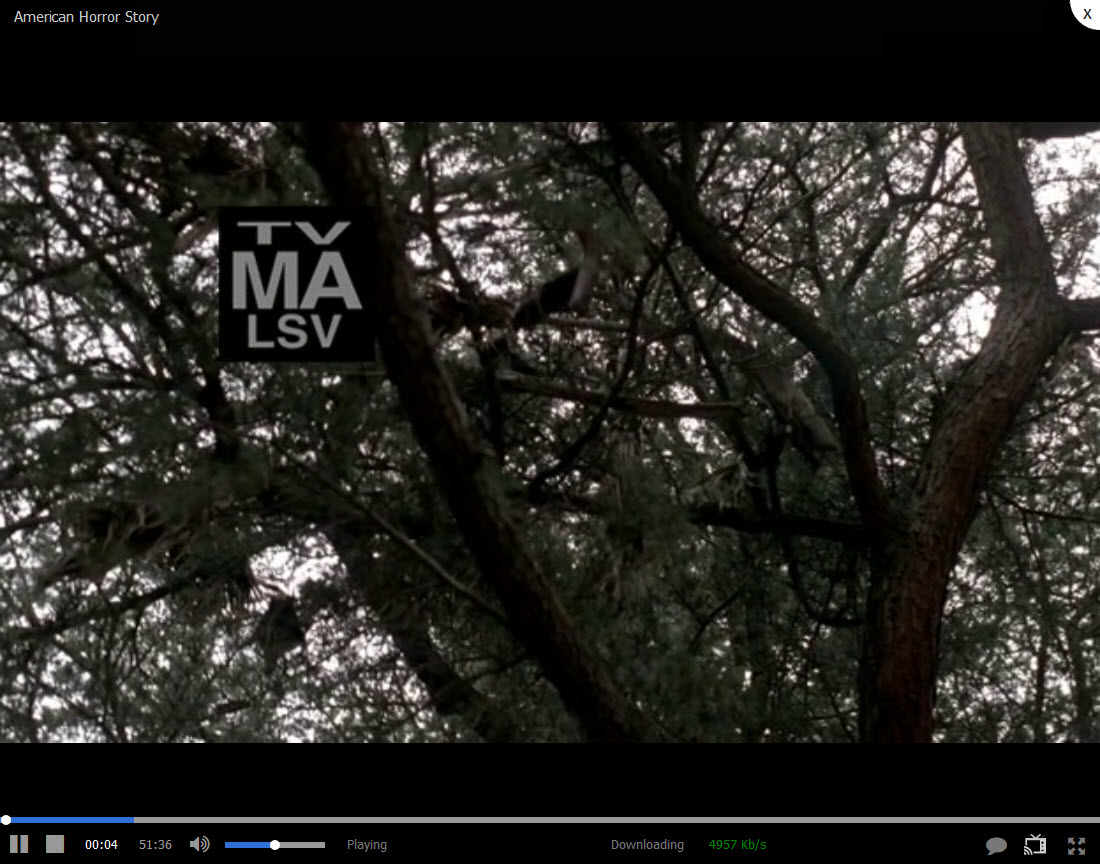
A standard BitTorrent client downloads pieces of a file in whatever order the swarm efficiently provides them, then assembles the complete file once everything has arrived. Popcorn Time uses a modified approach where pieces are prioritized in playback order. The first chunks (the start of the video) come first, then the next, then the next, with the application buffering ahead just enough to keep playback smooth.
The result is video that starts playing within seconds of clicking, similar to YouTube or Netflix, while a regular torrent client would require the entire file to download before viewing.
Behind the scenes, your machine is still participating in the swarm, both receiving from and uploading to other peers. The torrent activity is fully managed by the application without you needing to interact with .torrent files or magnet links directly.
This streaming-from-swarm technique isn’t unique to Popcorn Time. Other applications have implemented similar approaches, including Ace Stream which uses a similar protocol focused on live broadcasts. What this tool added was the layer that made the technique accessible to users who’d never think to use a torrent client.
The interface looks and feels like a streaming service, which is what made the project culturally significant.
The interface that made it famous
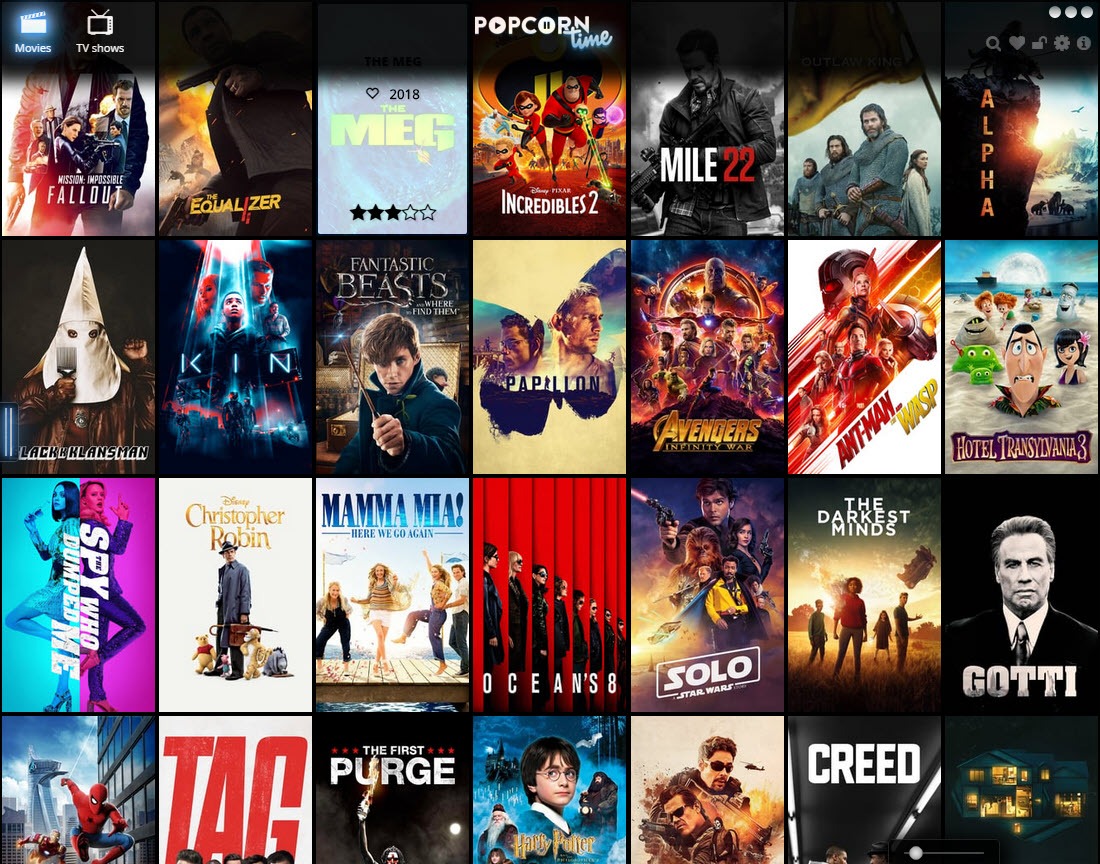
The main window opens to a grid of movie posters, sorted by recent, popular, trending, or genre. Click a poster and you see the synopsis, cast list, IMDb rating, available qualities (720p, 1080p, 4K depending on what’s in the swarm), audio language options, and subtitle availability. Click play and the video starts streaming.
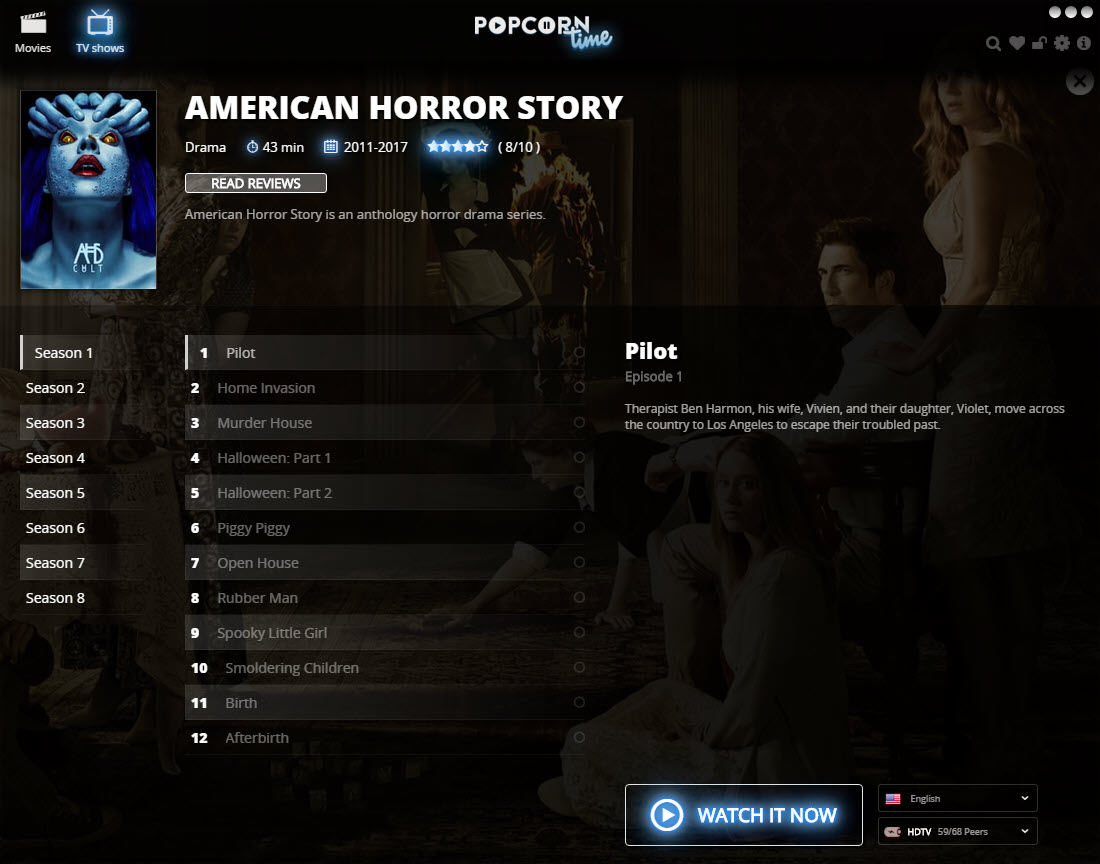
The interface is genuinely well-designed. The Netflix-style poster grid loads quickly, the metadata is pulled from public movie databases, and the playback controls handle the usual functions (pause, scrub, fullscreen, subtitle selection, quality switching). For TV shows, episodes are organized by season with episode-level metadata and play-next behavior similar to legitimate streaming services.
Search works across both movies and TV shows with autocomplete and filter options. The application maintains a local watchlist, tracks watched episodes, and remembers playback position within unfinished videos.
None of these are revolutionary features in 2026, but they elevate the experience from “torrent download” to “watch something” in a way that mattered for the cultural conversation about media access.
Where the content actually comes from
This is the part that requires direct honesty. Popcorn Time doesn’t host any video files. It queries public torrent indexes (the same ones that index millions of files of every legal status) and presents the results in its streaming interface. When you click play on a movie, the application is finding the torrent for that movie in the same way a search engine finds web pages, then streaming from the resulting BitTorrent swarm.
The content available through the application is whatever’s currently being shared on public torrent networks. This includes both legitimate content (public domain films, content distributed under permissive licenses, content the rights holders have explicitly approved for sharing) and a much larger volume of commercial movies and TV shows that the rights holders haven’t approved.
The application doesn’t distinguish between the two, and the legal status of streaming any specific title depends entirely on what that title actually is and where you’re located.
In most jurisdictions, downloading copyrighted content without authorization is a civil offense regardless of whether you’re using a traditional torrent client or a streaming-from-torrent application. Some jurisdictions also treat the upload-to-swarm side as a separate offense, which is relevant because BitTorrent inherently requires you to upload as well as download.
Pretending the streaming interface changes the legal analysis is a mistake users make and a mistake regulators don’t.
The legal pressure and the multiple forks
The original Popcorn Time project launched in 2014 and was shut down by its developers within months after legal threats. The source code was open, however, which meant that within days other developers had forked the project and continued development under different domains. This cycle (a fork becomes popular, faces legal pressure, shuts down, another fork takes its place) has repeated multiple times.
The result in 2026 is that “Popcorn Time” doesn’t refer to a single application maintained by a single team. It refers to a family of applications that all share the original codebase lineage, all do roughly the same thing, and all have varying degrees of active development. Some forks add features, some bundle adware that users should be cautious about, some haven’t been updated in years but still work for now.
The popcorntime.app fork has been the most consistently available recent version, though even that has been intermittently active. Telling whether a given download is a clean build of the open source project, a fork with added features, or a third-party repackaging with bundled software is difficult without checking source code, which most users won’t do.
This is one of several reasons why distinguishing between the “real” application and impostor builds matters.
Privacy and the visibility of swarm participation
When you use a regular streaming service, your viewing activity is visible to the service operator and (depending on the service’s privacy policy) potentially to advertisers and third parties. When you use a torrent-based streaming application, your viewing activity is visible to every other peer in the swarm, including any monitoring agencies that have joined the swarm specifically to log IP addresses.
Rights holders and the agencies they hire routinely monitor public torrent swarms for popular copyrighted content. The list of IP addresses participating in a swarm for any popular movie or TV show is essentially a public record. In many jurisdictions, those IP addresses get correlated to ISP customer records via legal process and result in warning letters, settlement demands, or in some cases legal action.
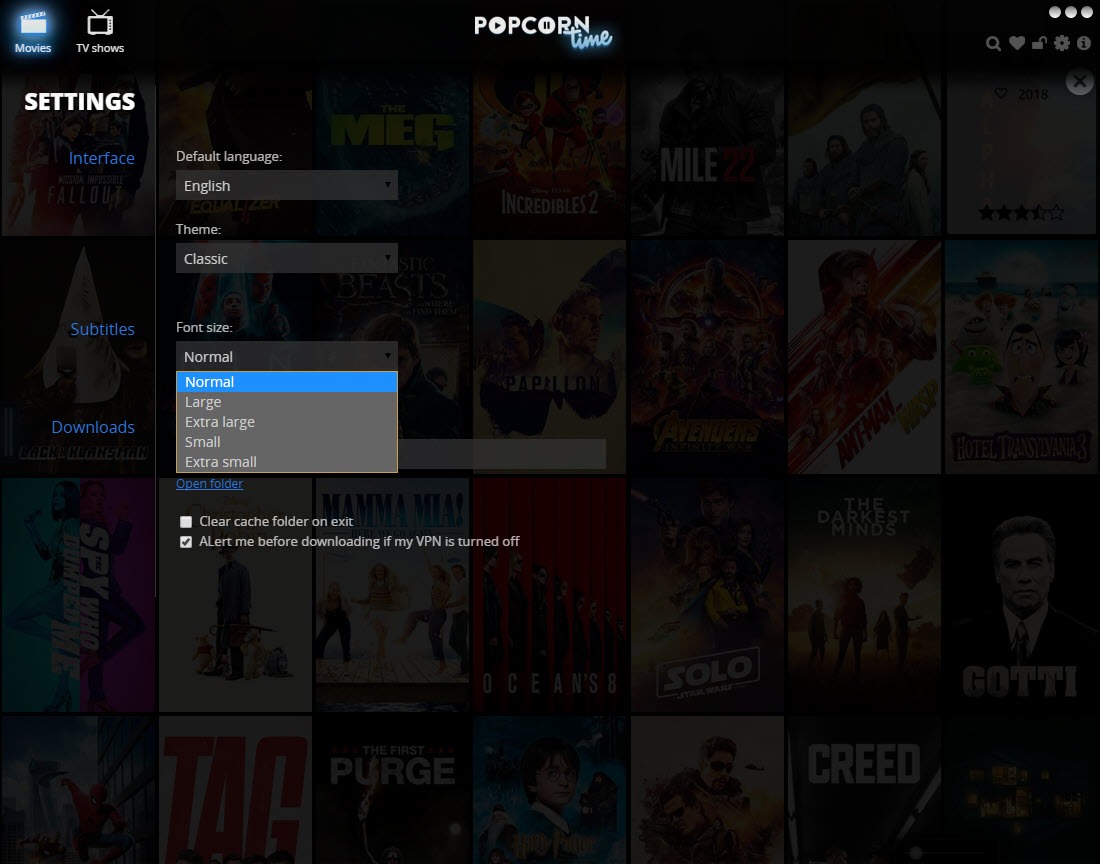
This is why Popcorn Time users frequently pair the application with a VPN. The VPN routes the torrent traffic through a remote server, so the IP address other swarm participants see is the VPN’s rather than the user’s home connection. Whether this is sufficient legal protection depends entirely on the VPN’s actual no-logs practices, the jurisdiction it operates in, and the specifics of any legal pressure applied. Hotspot Shield and other commercial VPN services market themselves heavily toward this use case, though their actual privacy practices vary.
The point isn’t that a VPN makes the use legal, because it doesn’t. The point is that the visibility problem is real and ignoring it is naive. Users who choose to use this application should understand what their network traffic looks like from outside.
Security concerns with builds and bundles
Beyond the legal questions, the security situation with Popcorn Time distributions is genuinely complicated. Because the open-source codebase has been forked and rebuilt many times by different parties, the executables circulating online don’t all come from the same source. Some are clean builds, some have additional code that handles advertising, telemetry, or other behavior the original project didn’t include.
The safest path is downloading only from the active fork’s published builds, verifying file hashes against what the project documents, and avoiding builds from third parties whose modifications you can’t verify.
Even then, the application is performing the BitTorrent protocol on your behalf, which means malicious peers in the swarm could potentially attempt to serve modified content. This isn’t a theoretical concern in some swarms for popular content.
For users who want media center functionality with content sources they control and trust, Jellyfin and Kodi (XBMC) are the open-source alternatives that organize and play media you legitimately own. The difference is they don’t acquire content for you, which is exactly the function this application provides and exactly the function that’s legally complicated.
Legitimate alternatives worth considering
The cultural argument for Popcorn Time has always been about access. Commercial streaming services fragment their catalogs across many platforms, geographic licensing means content available in one country isn’t available in another, and the cumulative cost of subscribing to enough services to actually watch what you want has climbed steadily. The application offers everything in one place, immediately, with no subscription fees and no geographic restrictions.
The honest counter is that legitimate alternatives have improved substantially. A combination of two or three streaming subscriptions covers most popular content in most regions. Free legal streaming services with ad support (Tubi, Pluto TV, the free tiers of various legitimate services) cover a surprising amount of older and back-catalog content.
For users specifically wanting to consolidate media playback into a single interface for content they own, the Jellyfin and Kodi options handle that without legal exposure.
For users who just want streaming with broader content access than any single legitimate service offers, a VPN like Hotspot Shield plus subscriptions to legitimate services in different regions (where their terms allow) often gets you most of the content Popcorn Time would, while keeping the legal status straightforward.
Conclusion
Popcorn Time is genuinely impressive software in what it accomplishes technically. The streaming-from-swarm protocol, the polished interface, the seamless metadata integration, and the consistent ability to make BitTorrent feel like Netflix are real engineering achievements. The cultural conversation the application started about media access, geographic licensing fragmentation, and the gap between what consumers want and what the industry offers is also legitimate and ongoing.
The honest assessment is that the legal exposure is real, the technical privacy risks are real, and the security situation with various forks is genuinely complicated. Users who choose to use this application should understand exactly what their network traffic looks like, what the realistic consequences could be in their specific jurisdiction, and what the alternatives are.
For users who want media playback without the legal and technical headaches, Jellyfin or Kodi (XBMC) with content you legitimately acquired covers the player side, and a combination of legitimate streaming services usually covers most of what people actually want to watch. The cultural argument about media access is worth having. Pretending the application is consequence-free is not.
Pros & Cons
- Streaming-from-torrent technique starts playback within seconds, matching commercial service responsiveness
- Interface is genuinely polished with poster grids, metadata, and search comparable to legitimate streaming apps
- Subtitle support in multiple languages with automatic loading from public subtitle databases
- Multiple quality options where available in the swarm (720p, 1080p, sometimes 4K)
- Free with no subscription, no account requirement, and no advertising in clean builds
- Content access isn't limited by regional licensing the way commercial services are
- Open source codebase allows verification of how the application actually works
- Streaming copyrighted content without authorization carries real legal exposure in most jurisdictions
- BitTorrent activity is visible to all swarm participants including monitoring agencies
- Multiple competing forks make it hard to know which build is the legitimate open source release
- Some forks and third-party builds bundle adware, telemetry, or other unwanted code
- Original project has been shut down and reformed multiple times, with development continuity broken
- Content availability depends on what's currently popular in public torrent swarms
- Pairing with a VPN is essentially required for the use case, adding cost and complexity
Frequently asked questions
The application provides a Netflix-style streaming interface for content sourced from public BitTorrent swarms. It searches torrent indexes, finds the file matching the title you selected, and streams the content while downloading torrent pieces in the background.
No. The application is a client that queries external torrent indexes and connects to BitTorrent swarms. All video data comes from other users on those swarms, not from any server the application operators control.
The legal status depends entirely on the specific content and your jurisdiction. Streaming copyrighted content without authorization is a civil offense in most places, and BitTorrent inherently means you're also uploading content to other swarm participants, which in some jurisdictions is treated as a separate offense.
BitTorrent traffic is visible to other swarm participants. Rights holders monitor swarms for popular copyrighted content and log IP addresses, which can result in warning letters from ISPs or legal action. A VPN masks the user's actual IP from other peers, though it doesn't change the legal status of the underlying activity.
The original team shut the project down within months of its 2014 launch after receiving legal threats. The source code was open, so other developers forked the project. This shutdown-and-fork cycle has repeated multiple times, resulting in several competing forks with varying levels of active development.
Each time a popular fork faces legal pressure or shuts down, other developers fork the most recent codebase and continue under a different domain. The result is multiple competing builds that all share the original codebase ancestry but are maintained separately, with no central authority.
Regular torrent clients download a complete file before playback. This application streams in playback order, buffering ahead just enough to keep video playing. The user experience matches commercial streaming services, but the underlying network protocol is the same BitTorrent swarm participation as a regular torrent client.
For media you own, Jellyfin or Kodi organize and play your content without legal complications. For broader content access, a combination of legitimate streaming subscriptions covers most popular titles. For specific regional content, a VPN with legitimate subscriptions in those regions is more legally straightforward than the swarm-based approach.


