

DraftSight
About DraftSight
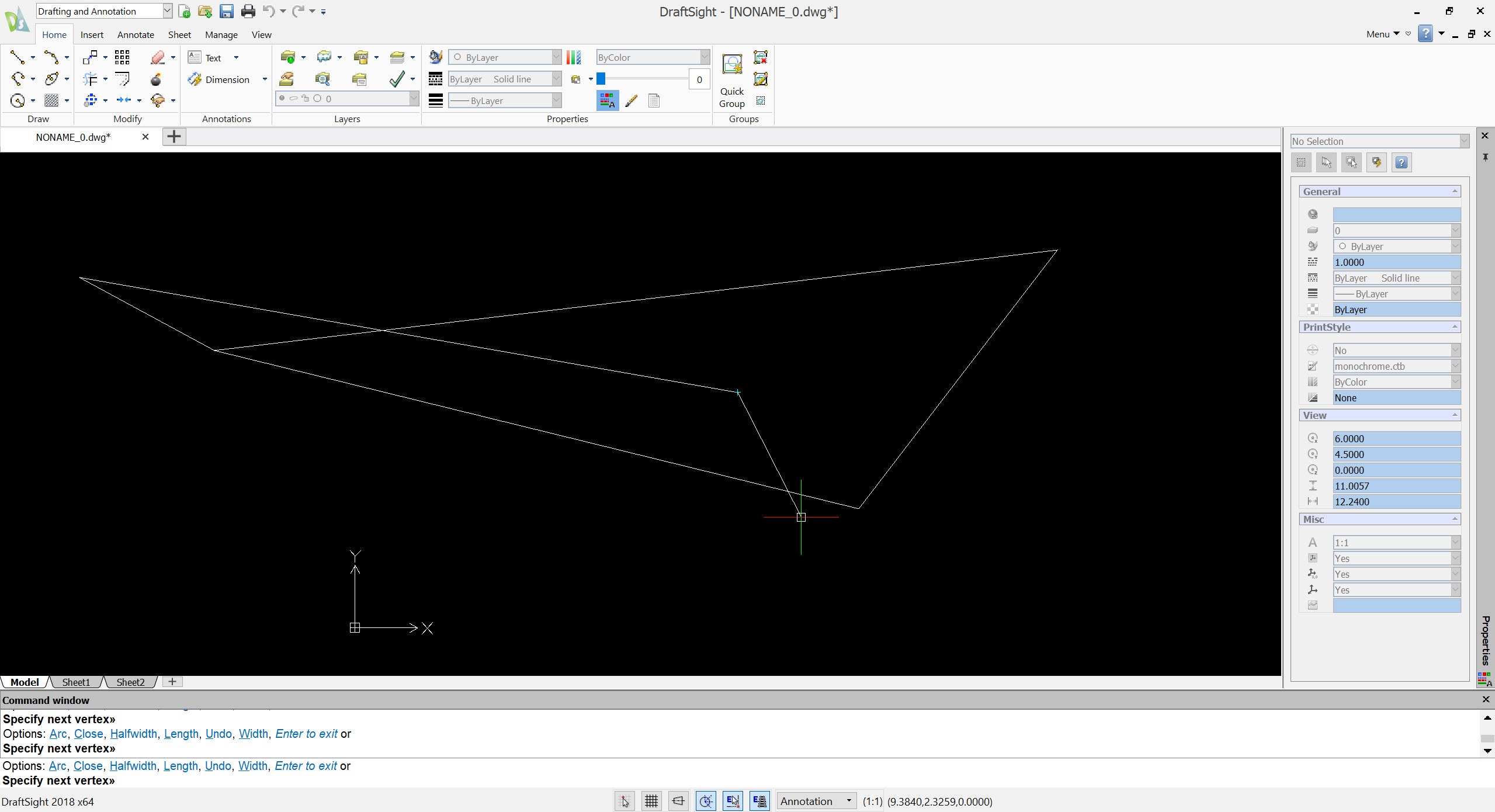
The DWG file format is the lingua franca of technical drawing, the thing architects, engineers, and drafters trade back and forth all day. The problem is that the dominant software for working with it costs a small fortune. DraftSight is built to solve exactly that tension. It is a 2D CAD application (with 3D capability in its highest edition) that reads and writes DWG natively, so you can open, edit, and share industry-standard drawings without paying industry-standard prices.
What makes DraftSight worth a serious look is how deliberately it mirrors the tool everyone already knows. The command bar, the keyboard shortcuts, the way you snap and dimension and layer, all of it follows the conventions of AutoCAD closely enough that an experienced drafter can sit down and be productive almost immediately.
It is not trying to reinvent how CAD works. It is trying to give you the same workflow you already have muscle memory for, at a fraction of the cost.
Native DWG, not a lossy conversion
This is the foundation everything else rests on, so it deserves precision. DraftSight works with DWG, DXF, and DGN files directly, opening and saving them without the conversion step that mangles drawings in lesser tools. That distinction is not academic. When a CAD package only imports DWG by converting it to its own format, you risk losing line types, layer structure, block definitions, or precise geometry in the round trip. Here the DWG is the working file, full stop.
The practical payoff is collaboration. A drawing created in AutoCAD, SOLIDWORKS, Inventor, or any program that exports DWG and DXF opens cleanly, and your edits go back out in the same format for the next person down the line.
If all you need is to view and check drawings rather than edit them, a lighter DWG viewer like DWG TrueView covers that narrower job. But for actual editing with full fidelity to the original file, DraftSight keeps everything intact.
Built to feel like home for AutoCAD users
The migration story is where this software genuinely shines. DraftSight lets you carry over the things that make a CAD setup feel like yours: your keyboard shortcuts, custom line types, drawing templates, and crucially your LISP routines. If your office has spent years building automation scripts in AutoCAD’s LISP language, you do not throw them away, you bring them across and keep working.
It also handles dynamic blocks, the reusable, configurable components that speed up repetitive drafting. You can use dynamic blocks created in AutoCAD while keeping their adjustable parameters intact, and create your own custom blocks too. For anyone who has standardized their work around a block library, that compatibility removes the biggest objection to switching. The command bar accepts the same typed commands you already know, so much of your existing knowledge transfers without retraining.
Drafting tools that cover real work
Beyond compatibility, the actual drafting toolkit is deep. You get the full set of layers, hatching, object snapping, splines, and automated dimensioning that precise technical work demands. Layers store your design objects so you can revise and isolate parts of a drawing cleanly, and the dimensioning tools annotate measurements faster than placing them by hand.
A couple of features stand out for production work. PDF import lets you bring in a PDF document and convert it into editable DWG geometry, which is a lifesaver when a drawing only exists as a flat PDF and you need to revise it. There is a Sheet Set Manager for organizing the many drawings in a large project, batch printing for pushing out whole sets at once, and a drawing comparison tool that highlights exactly what changed between two versions of a file.
That last one quietly saves hours during revision cycles, where figuring out what someone altered is half the battle.
Where 2D ends and the editions diverge
Worth being clear about scope, because the name does not advertise it. The core of DraftSight is 2D drafting, and for most of its audience that is precisely the point. Full 3D modeling, parametric constraints, and API access for deeper automation live in the higher edition rather than the entry levels. So if you are drawing floor plans, schematics, and component layouts, the standard offering does everything you need. If you want to move from a 2D sketch into a 3D model and back, you are looking at the top tier.
This tiering is the honest catch. The capable, affordable 2D tool is real, but the moment your needs cross into 3D or programmatic customization, the cost climbs and the calculation against alternatives changes. For pure 2D drafting against AutoCAD, the value is strong.
For 3D-heavy work, a dedicated modeler like FreeCAD or a parametric design tool such as Autodesk 123D Design may serve you better, and they approach 3D from a modeling-first direction this drafting tool does not.
The learning curve, honestly
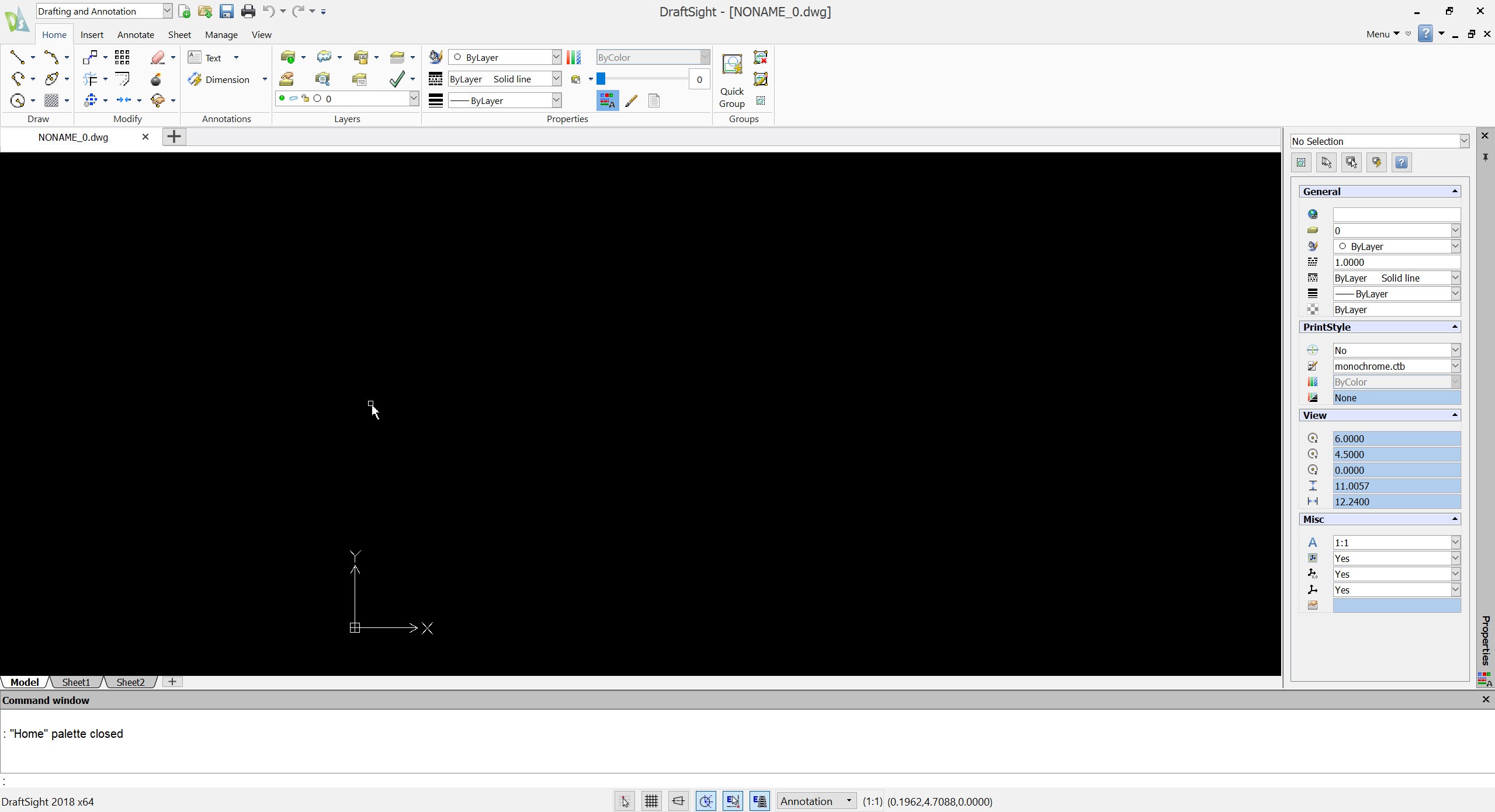
For someone coming from AutoCAD, the curve is gentle, almost flat. The interface and commands are familiar enough that the transition is more about noticing small differences than learning a new program. For a complete CAD newcomer, though, this is still professional drafting software, and that means a real investment. The command-bar workflow, the coordinate system, the discipline of layers and blocks, none of it is hard exactly, but it is not the kind of thing you pick up in an afternoon either.
The interface is clean and the onboarding is reasonable, yet CAD is CAD, and the depth that makes it powerful is the same depth a beginner has to climb.
Conclusion
DraftSight is aimed squarely at the drafter, engineer, or architect who lives in DWG files all day and cannot justify the price of the market leader for what is fundamentally 2D work. Its native file handling and deliberate AutoCAD familiarity make it one of the smoothest switches available, especially for an office wanting to keep its existing scripts, templates, and block libraries rather than start over.
The judgment call comes down to scope. As a 2D drafting tool, it delivers professional capability with genuine file fidelity, and the migration path is about as painless as CAD migrations get. Push into 3D modeling or deep automation, though, and the affordability advantage narrows as you climb into the upper edition. Know which kind of work you actually do, and the decision makes itself.
Pros & Cons
- Reads and writes DWG, DXF, and DGN natively, with no lossy conversion of your drawings
- Interface and commands closely mirror AutoCAD, so experienced drafters adapt almost instantly
- Carries over AutoCAD shortcuts, LISP routines, templates, and dynamic blocks when you switch
- Deep 2D toolkit with layers, hatching, snapping, splines, and automated dimensioning
- PDF import converts flat documents into editable DWG geometry for revision
- Drawing comparison, Sheet Set Manager, and batch printing streamline large projects
- Full 3D modeling, parametric constraints, and API access are reserved for the top edition
- Cost rises sharply once you need 3D or automation beyond core 2D drafting
- A complete CAD beginner still faces the steep learning curve any professional drafting tool brings
- It is a drafting tool first, not a modeling-first 3D design application
- Deep customization through the API is gated behind the highest tier
Frequently asked questions
It is a 2D CAD application (with 3D in its top edition) for creating, editing, and managing technical drawings in DWG, DXF, and DGN formats. Engineers, architects, and drafters use it to produce precise layouts, plans, and schematics.
For 2D drafting, yes. It works natively with DWG files, mirrors AutoCAD's interface and commands, and lets you reuse your existing shortcuts and LISP routines, so it covers most 2D workflows at a much lower cost.
Yes. Because the application reads and writes DWG and DXF directly rather than converting them, drawings from AutoCAD and other CAD tools open with their layers, line types, and geometry intact.
Yes. It runs LISP automation scripts and works with AutoCAD dynamic blocks while keeping them configurable, and it lets you build your own custom blocks. This makes migrating an established CAD setup much easier.
Only in its highest edition. The standard and professional levels focus on 2D drafting, while 3D modeling and parametric constraints are part of the premium tier.
If you already know AutoCAD, the transition is quick because the commands and layout are so similar. For a complete CAD beginner, it carries the same learning curve as any professional drafting software, though the interface is clean and the onboarding is straightforward.


