

Ace Stream
About Ace Stream
The history of online video has been shaped by a constant tension between centralized streaming infrastructure and peer-to-peer alternatives. Centralized services like Netflix, YouTube, and Twitch deliver video reliably but require massive server infrastructure and content licensing arrangements that limit what can be distributed through them. Peer-to-peer streaming flips this model, with viewers also serving as distributors of the content they’re watching, making large-scale broadcasting possible without centralized infrastructure.
Ace Stream is the most well-known implementation of this approach, a peer-to-peer streaming protocol built on BitTorrent technology that has become particularly prominent in the world of live sports and event broadcasting.
Originally developed under the name TorrentStream and rebranded as Ace Stream in 2013, this software has accumulated a substantial user base concentrated heavily in Spain, Ukraine, Poland, and other regions where access to certain live content through official channels is either expensive, restricted, or unavailable.
The technology itself is content-neutral, providing infrastructure for distribution rather than the content being distributed, but the practical adoption patterns reflect how users have chosen to apply it.
How peer-to-peer streaming actually works
The fundamental innovation of Ace Stream is applying BitTorrent‘s distribution model to live video rather than just file downloads. With traditional streaming, every viewer pulls data from centralized servers, with bandwidth requirements scaling linearly with audience size. With this peer-to-peer approach, viewers also upload to other viewers, creating a self-supporting network where each additional user contributes capacity rather than only consuming it.
The practical effect is that broadcasts can scale to enormous audiences without requiring massive server infrastructure. A single broadcaster can theoretically reach millions of viewers as long as enough of those viewers are willing to share back to others.
The viewer experience involves both downloading content from peers (the video you’re watching) and uploading the same content to other peers (helping distribute the broadcast), all happening transparently in the background.
Each broadcast has a unique content ID similar to a torrent’s hash, which serves as the address for accessing that particular stream. Sharing a content ID with someone is functionally similar to sharing a magnet link, providing the information needed to join the swarm distributing that broadcast. Without knowing the content ID, finding specific broadcasts requires search engines or directories that index available streams.
The bundled media player and integration approach
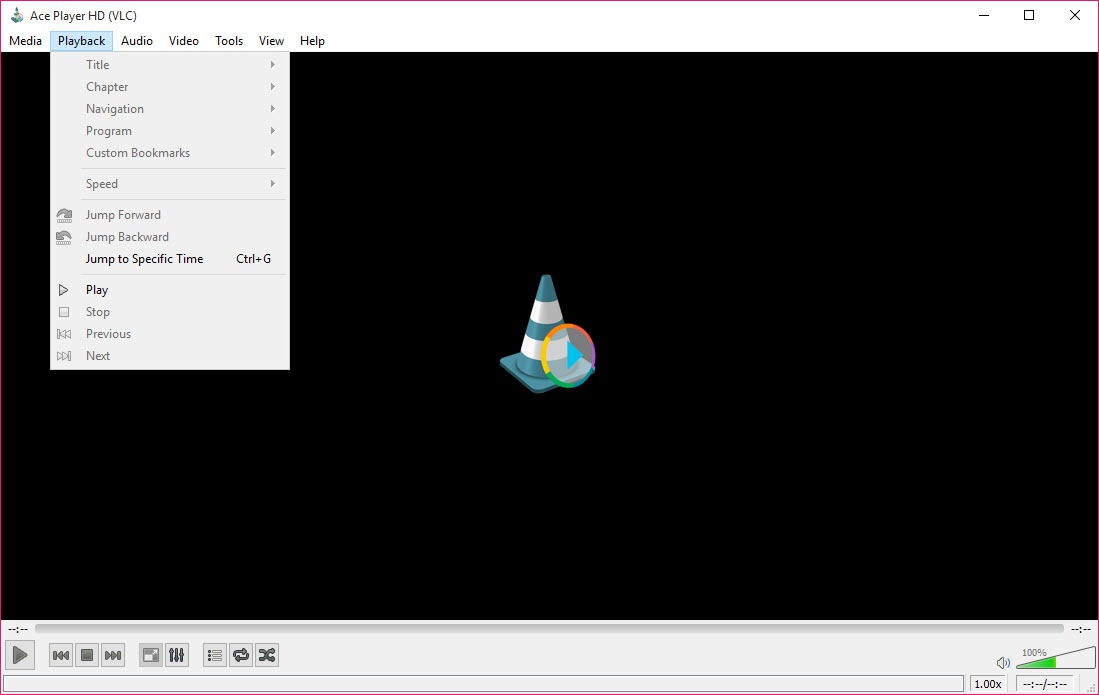
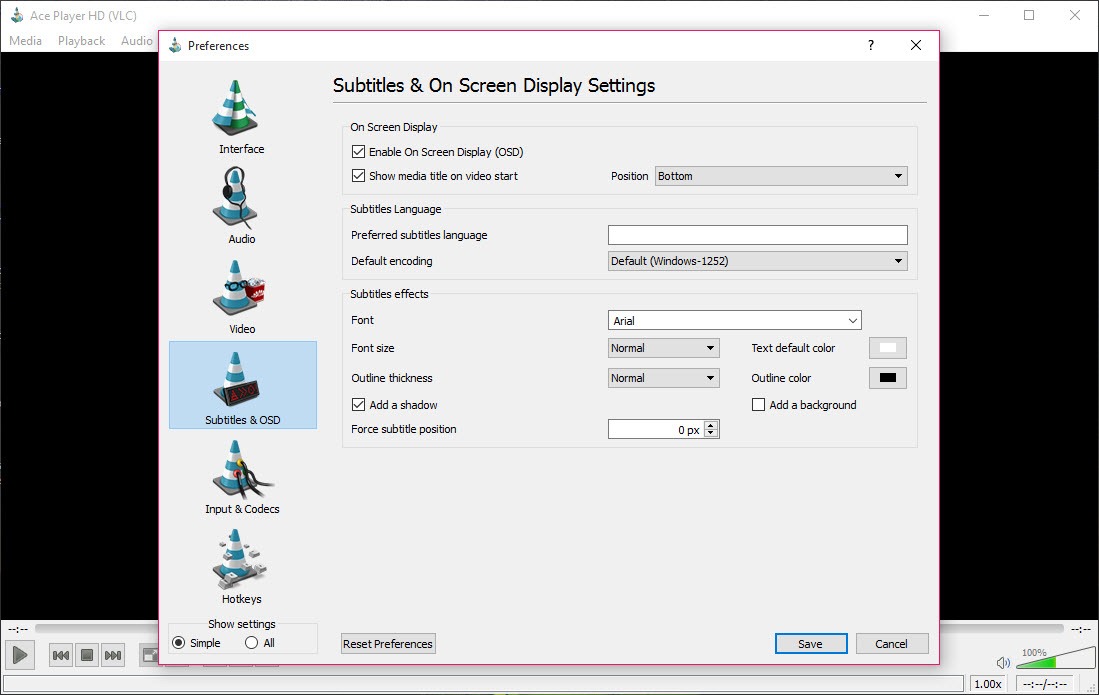
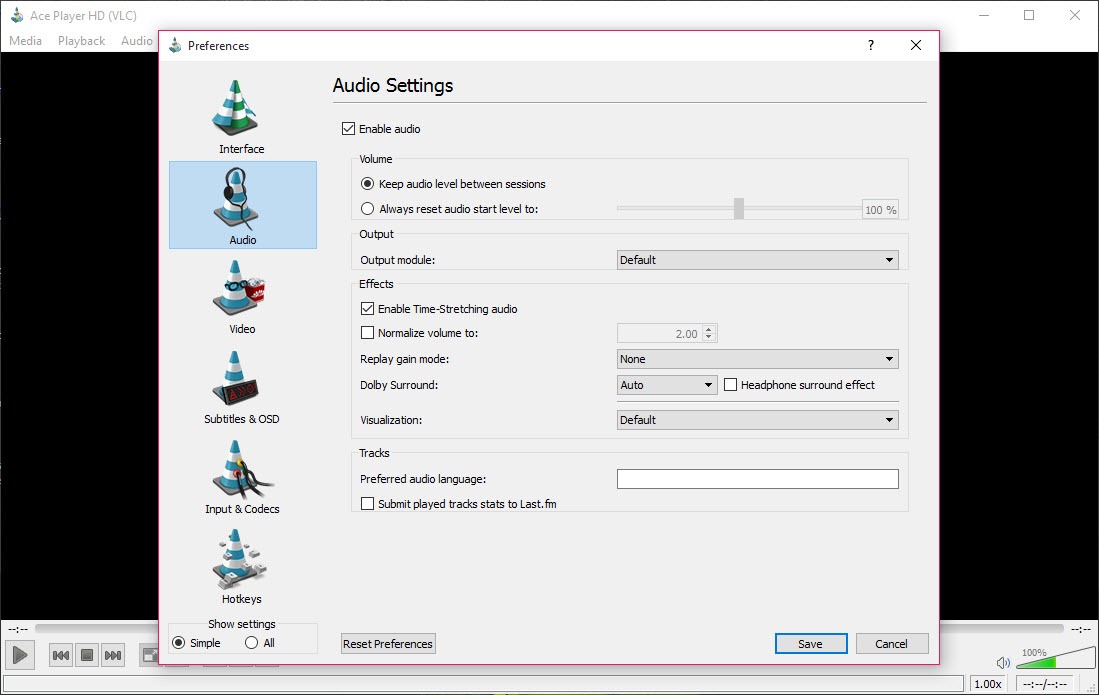
The software includes a media player based on VLC‘s foundations, customized to handle the streaming protocol natively. When you click a content ID link or paste one into the application, the player connects to the swarm, begins downloading content from peers, and starts playback as soon as enough buffer has accumulated. The whole process happens through familiar media-player interaction patterns rather than requiring technical understanding of the underlying P2P operations.
For users who prefer using their own media player, the application can also operate as a streaming proxy, providing local URLs that other media players can access. Point VLC, MPC-HC, or various other media players at the local URL the application exposes, and they treat the stream as a regular network video source. This flexibility matters for users with established preferences for specific media player features.
The browser integration handles content IDs that appear as links on web pages, launching the application automatically when you click an Ace Stream link. For users who frequently watch streams advertised on various community sites, this seamless integration eliminates the friction of manually copying content IDs into the application.
Common use cases that drive adoption
The dominant use case for Ace Stream is live sports streaming. Soccer matches in particular have driven much of the adoption, with users in regions where official broadcasts require expensive subscription packages turning to peer-to-peer alternatives that aggregate broadcasts from various sources. The technology works well for this use because live sports involves large simultaneous audiences for specific events, exactly the scenario where peer-to-peer scaling provides advantages over centralized streaming.
Live TV channels have also been distributed through the protocol, with users sharing access to broadcasts that would otherwise require local cable subscriptions or geographic access. International sports leagues, news channels, and various other live content has appeared as broadcasts that anyone with the content ID can access regardless of their location.
Beyond live content, the protocol also works for video-on-demand scenarios where pre-recorded content is shared through the same peer-to-peer infrastructure. The flexibility to handle both live and recorded content makes the platform applicable across various distribution scenarios.
The legal gray zone, addressed honestly
The legal status of Ace Stream content varies dramatically based on what specifically is being distributed. The protocol itself is content-neutral, providing infrastructure that can carry whatever data its users choose to share. But in practice, the most popular content distributed through the protocol involves broadcasts that the original rights holders haven’t authorized for that distribution.
Live sports broadcasts almost always have exclusive licensing arrangements with specific broadcasters in specific regions, and unauthorized peer-to-peer distribution typically violates those licensing agreements. Users watching matches through this software in regions where they don’t have legitimate access are participating in what most legal frameworks would classify as copyright infringement, regardless of how they personally view the ethical considerations.
The practical enforcement varies enormously by region and over time. Some jurisdictions actively prosecute users of unauthorized streaming services, while others focus enforcement efforts on distributors rather than individual viewers. Users considering this software should understand the legal context in their specific jurisdiction rather than assuming the practice is universally tolerated or universally prosecuted.
The software itself, separate from how it’s commonly used, has legitimate applications in scenarios where content rights holders specifically choose to distribute through peer-to-peer infrastructure. These legitimate uses exist but represent a small fraction of the actual traffic flowing through the network in practice.
Search and discovery through external directories
Finding content to watch through Ace Stream requires access to content IDs, which the application itself doesn’t provide. Various community-maintained directories and search engines exist that index broadcasts available at any given moment, ranging from curated lists of regularly-broadcasting channels to real-time databases of currently-active streams.
The discovery experience varies in quality. Established directories with active moderation maintain reasonable accuracy about which content IDs currently work, while less-maintained sources frequently include dead or wrong IDs. Users typically develop preferences for specific directories based on which ones reliably surface content matching their interests.
Content moderation is essentially absent from the protocol level, with directories themselves being the only meaningful filtering layer. This means content quality, accuracy of descriptions, and appropriateness of material varies enormously across what’s available. Users encountering this ecosystem for the first time typically need some adjustment period before they understand which sources to trust and which to avoid.
Performance and quality considerations
Stream quality depends almost entirely on the source broadcast and the size of the audience watching it. Popular live events with thousands of simultaneous viewers typically deliver smooth, high-quality streams because the peer-to-peer distribution scales effectively at large audiences. Niche broadcasts with few viewers may struggle, with insufficient peer infrastructure to maintain consistent quality.
The quality of any specific broadcast also depends on whoever is sourcing it. A broadcast originating from a high-quality professional source with stable distribution infrastructure delivers good quality regardless of audience size. A broadcast originating from someone’s mobile phone holding it up to their TV obviously won’t reach the same standard regardless of the protocol’s technical capabilities.
Buffering and latency are typical of peer-to-peer streaming, with several seconds of delay compared to direct streaming sources. For pre-recorded content this delay doesn’t matter, while for live sports it means you may see goals or major events through this protocol slightly after viewers watching official broadcasts. The trade-off between accessibility and immediacy is inherent to the technology.
The “is it safe” question and security considerations
Common questions involve whether Ace Stream is safe to install and use. The application itself, downloaded from the official source, isn’t malicious in any technical sense. It’s a legitimate piece of software that does what it claims to do, without bundled malware or unwanted system modifications.
The security concerns involve different issues. The peer-to-peer nature means your IP address is visible to other peers in any swarm you participate in, which has privacy implications and may attract attention from rights holders monitoring infringing content distribution. Users in jurisdictions where unauthorized streaming is actively prosecuted have legitimate concerns about this visibility.
Some users run the application through VPNs to obscure their IP addresses from other peers, which addresses the visibility concern at the cost of potentially impacting performance. The right approach depends on individual risk tolerance and the legal context in your specific location.
The other security consideration involves content itself. Some peer-to-peer streams have been observed including malicious payloads disguised as video content, attempting to exploit vulnerabilities in media players. Keeping your media player updated and being cautious about unusual streams from unfamiliar sources reduces this risk substantially.
The free pricing model and what supports it
The software is free with no premium tiers, no advertising in the player itself, and no commercial barriers to use. The funding model isn’t entirely transparent, with the development team’s commercial sustainability mechanisms not clearly documented. Some indication suggests advertising revenue from associated infrastructure, donations from users, and possibly other sources support ongoing development.
For users, the practical effect is that the full functionality is available without payment. Whether the funding model is sustainable for ongoing development is a separate question, with the project’s continued availability over many years suggesting the model has been working at some level even without complete transparency about how.
Considerations and limitations
The most significant limitation is the legal ambiguity surrounding common uses, which means users need to make informed decisions about whether and how to use the software given their specific circumstances. Reasonable people reach different conclusions about the ethics and legal exposure involved in unauthorized streaming, and this software puts those decisions directly in users’ hands.
The discovery experience requires using external directories that vary in quality and reliability, with no built-in search or browsing within the application itself. Users new to the ecosystem face some learning curve in finding trustworthy sources for content IDs and developing intuition about which streams will work well versus those that won’t.
The peer-to-peer nature means your bandwidth contributes to the broadcast distribution while watching, which may matter for users on metered connections or slow upload speeds. The application provides some controls over upload behavior, but the fundamental design assumes participation in the network rather than passive consumption.
Performance can vary substantially based on which specific stream you’re trying to watch and how many other viewers are currently in the swarm. Streams that work perfectly during peak audience times may struggle during low-audience periods, with the same content potentially providing different experiences at different times.
Conclusion
Ace Stream has earned its position as the most prominent peer-to-peer streaming protocol by genuinely working as advertised, providing distribution infrastructure that scales to enormous audiences for live broadcasts and other video content. The technical implementation is mature, the bundled media player provides familiar playback, and the protocol has continued operating reliably across many years of evolving internet infrastructure.
The harder question is whether to use it given the legal and ethical complications surrounding much of what flows through the network. For users with access to legitimate broadcasts of content they want to watch, the protocol provides little value beyond curiosity about peer-to-peer technology.
For users in regions where access to specific content is restricted, expensive, or unavailable through official channels, Ace Stream offers an alternative that comes with corresponding legal and ethical considerations users need to evaluate for themselves.
The software does what it claims to do; the choice of whether and how to use it remains a personal decision shaped by individual circumstances rather than universal recommendation.
Pros & Cons
- Peer-to-peer architecture scales to enormous audiences without centralized infrastructure
- Built on proven BitTorrent technology with mature distribution mechanisms
- Bundled media player with VLC foundations provides familiar playback experience
- Browser integration handles content ID links seamlessly when clicked on web pages
- Streaming proxy mode allows using preferred external media players
- Genuinely free with no premium tiers, advertising in player, or licensing barriers
- Quality scales with audience size, working particularly well for popular live events
- Active across many years with continued development
- Legal status of common uses varies dramatically and may produce real exposure
- IP address visible to other peers, raising privacy concerns
- Discovery requires external directories with variable quality and reliability
- Some streams may include malicious payloads requiring caution
- Performance depends on stream source quality and current audience size
- Buffering produces several seconds of latency compared to direct broadcasts
Frequently asked questions
This software is a peer-to-peer multimedia streaming application built on BitTorrent technology. It enables broadcasting and viewing of live and recorded video through a distributed network where viewers also serve as distributors, allowing large audiences to access broadcasts without requiring massive centralized server infrastructure. Each broadcast has a unique content ID that identifies it across the network, similar to how torrents are identified by their hashes.
The protocol itself is legal and content-neutral, providing infrastructure that can carry whatever data users choose to share. The legality of specific use depends entirely on what content is being accessed. Authorized broadcasts distributed through the protocol with rights-holder permission are legal, while unauthorized distribution of copyrighted content (which includes much of the actually-popular content on the network) violates copyright laws in most jurisdictions. Legal exposure varies by region and over time.
Traditional streaming services like Netflix or YouTube use centralized servers that deliver content to viewers from the service's infrastructure. This protocol uses peer-to-peer distribution where viewers also serve as distributors, with content flowing between users rather than through centralized servers. The technical model enables broadcasting without massive infrastructure but creates the legal and practical complications that come with peer-to-peer distribution generally.
Content discovery happens through external directories and search engines that index available content IDs rather than through any built-in search in the application. Various community-maintained sources track broadcasts available at any given moment, with quality and reliability varying substantially across different directories. Users typically develop preferences for specific sources based on experience with which ones reliably surface working content.
Live sports broadcasts have several characteristics that make them particularly suited to peer-to-peer distribution. They involve large simultaneous audiences for specific events, which is exactly when peer-to-peer scaling provides the most benefit over centralized streaming. They also involve content with high commercial value and exclusive licensing arrangements that make official access expensive or geographically restricted in many regions, creating demand for alternative access methods.
The peer-to-peer model means you upload to other viewers while watching, which uses some of your upload bandwidth. The impact depends on how much you're uploading and your internet plan's specifics. Most modern home internet connections handle the additional upload activity without affecting other usage meaningfully, but users on slow upload speeds or metered connections may notice the impact.


