

ScreenShooter
About ScreenShooter
ScreenShooter is a screen capture tool built around the sentence “take it, mark it, send it”. It grabs the full screen, a single window or an area you draw, hands the result to a small editor for arrows and blur, and then puts the finished picture wherever it needs to go, whether that is your disk, the clipboard, a cloud drive, an FTP server or a share link you paste into a chat.
That last part is the point. Most capture tools stop at the saved file and leave the delivery to you. This one treats delivery as half the job, which is exactly the half that eats your time when you explain something on a screen ten times a day.
Three capture modes and a hotkey you choose
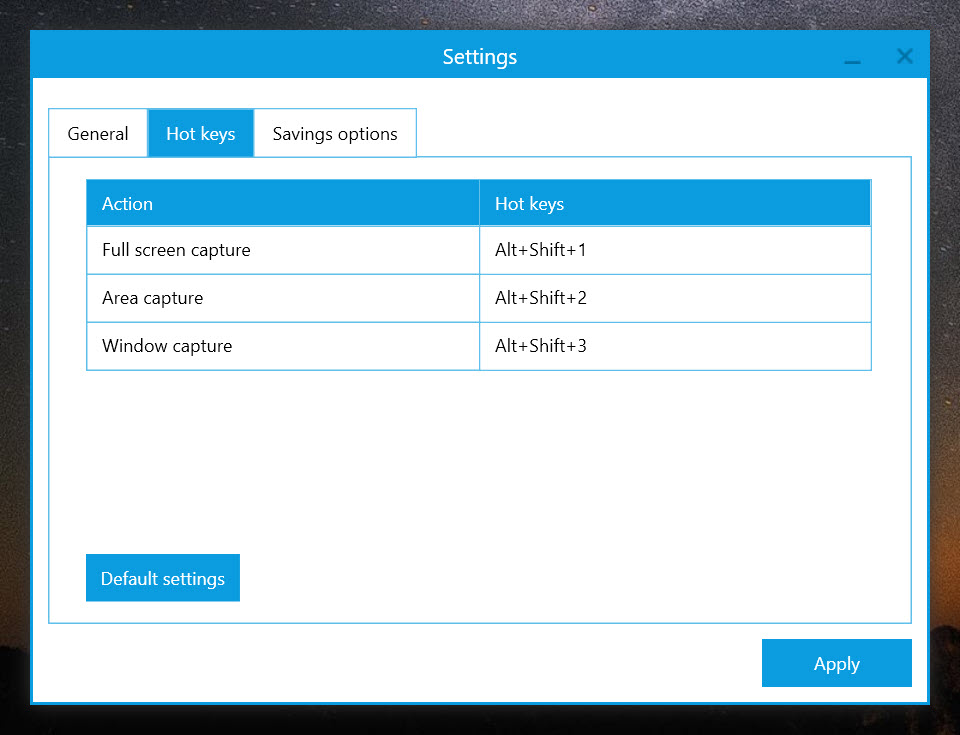
The capture itself offers the three shapes people actually use. Full screen for context, the active window for a clean shot of one program, and a drawn selection for everything else. Each sits behind a hotkey, and the combinations are yours to redefine, so the tool folds into whatever muscle memory your hands already have.
After the initial setup there is almost no interface left. ScreenShooter waits in the background, the keystroke fires, the selection happens, and the picture lands as a PNG. For a utility meant to be invoked fifty times a day, that absence of ceremony is the feature that matters most.
An editor made for explaining, not beautifying
The built-in editor is aimed at a specific person, the one writing instructions. Arrows point at the button in question, numbered markers lay out the order of steps, shapes and highlights pull the eye, and a cover-up tool hides names, email addresses or account numbers before the picture leaves your machine.
That masking tool deserves emphasis, because screenshots leak information constantly. A capture of a form, an inbox or a settings page almost always contains something a stranger should not read, and blanking it in two seconds inside the same window beats opening a separate editor every time.
What you will not find is anything decorative, so there are no filters or effects here, and for actual image editing the picture still travels to a dedicated editor.
From capture to link in seconds
Sharing is where ScreenShooter stretches past the average snipping utility. A capture can upload and come back as a link ready for pasting, which replaces the entire save, find, attach ritual with a single step and suits chat and ticket conversations perfectly.
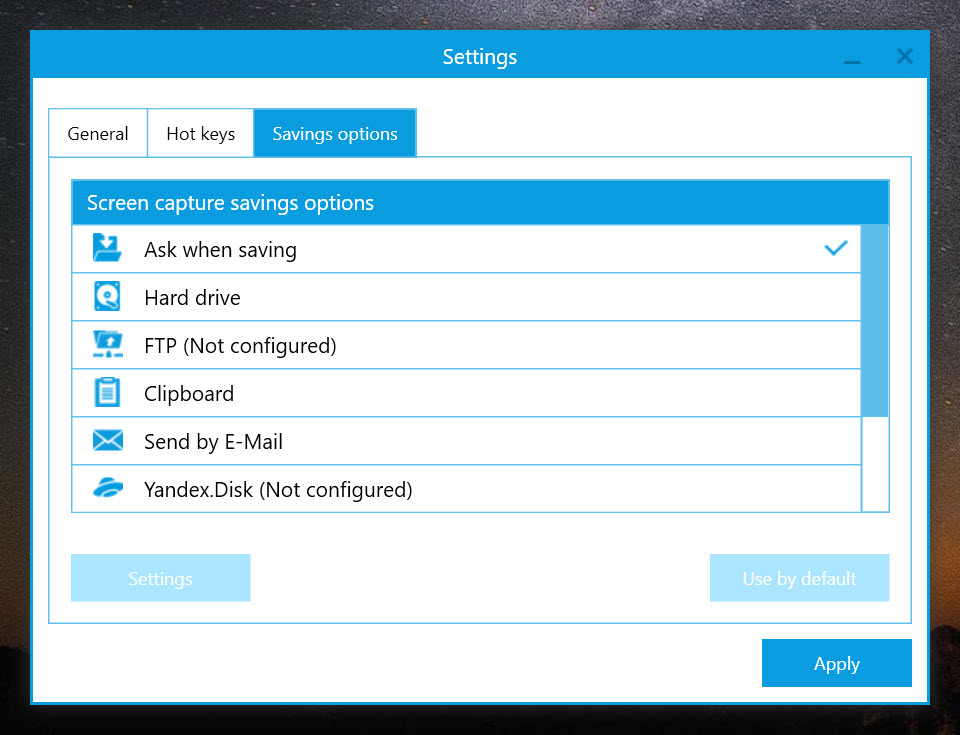
The destinations go further than one house service. Uploads can go to Google Drive, OneDrive, Dropbox or Yandex.Disk, and, for people with their own infrastructure, to any FTP server, which quietly makes this a fit for teams who must keep screenshots on their own machines.
Automatic saving to a cloud destination can also run on every capture, so a crash or an accidental overwrite does not take the picture with it.
Recording, and the honest limits
Beyond stills, the application records the screen as video, with quality settings that trade sharpness for file size, a sensible dial when clips of bug reproductions or game moments start piling up on the disk.
Now the limits. There is no scrolling capture, so a long webpage cannot be taken in one piece. The editor covers annotation and nothing more. And anyone who wants automation chains, OCR or a dozen upload targets has outgrown this class of tool entirely and should install a capture suite with every workflow imaginable, accepting the learning curve that comes with it.
The trade here is deliberate, fewer features in exchange for a tool you never have to think about.
Conclusion
ScreenShooter fits the person who explains things with screenshots all day. Support staff, testers, tutorial writers, and anyone whose messages regularly begin with “see the attached picture” will feel the save-and-attach ritual disappear, and the masking tool keeps what leaves the machine clean.
People with heavier needs, from scrolling captures to automated workflows, should reach for a bigger tool and pay its learning tax. For quick, annotated, instantly shared captures, this one does the job with pleasingly little fuss.
Pros & Cons
- Full screen, window and area capture, each on a customizable hotkey
- The editor includes arrows, step numbers and a cover-up tool for sensitive details
- Captures return as shareable links, skipping the save-and-attach routine
- Uploads reach Google Drive, OneDrive, Dropbox, Yandex.Disk or any FTP server
- Automatic cloud saving backs up every capture as it happens
- No scrolling capture for long pages
- The editor stops at annotation, with no real image editing
- Power users will miss automation, OCR and broader upload targets
Frequently asked questions
Yes. The editor includes a cover-up tool for blanking names, addresses or numbers before the image is saved or shared, alongside arrows and numbered step markers.
Wherever you point them. A capture can save to disk as a PNG, copy to the clipboard, upload to Google Drive, OneDrive, Dropbox, Yandex.Disk or an FTP server, or come back as a share link.
Yes, screen recording is included, with quality settings that keep file sizes in check when clips accumulate.


