

AZip
About AZip
AZip is a Zip archive manager that fits in a single file and does three things the big archivers do not. It searches inside the files of an archive, so a word typed into its search box is found in a document buried in a Zip without unpacking anything.
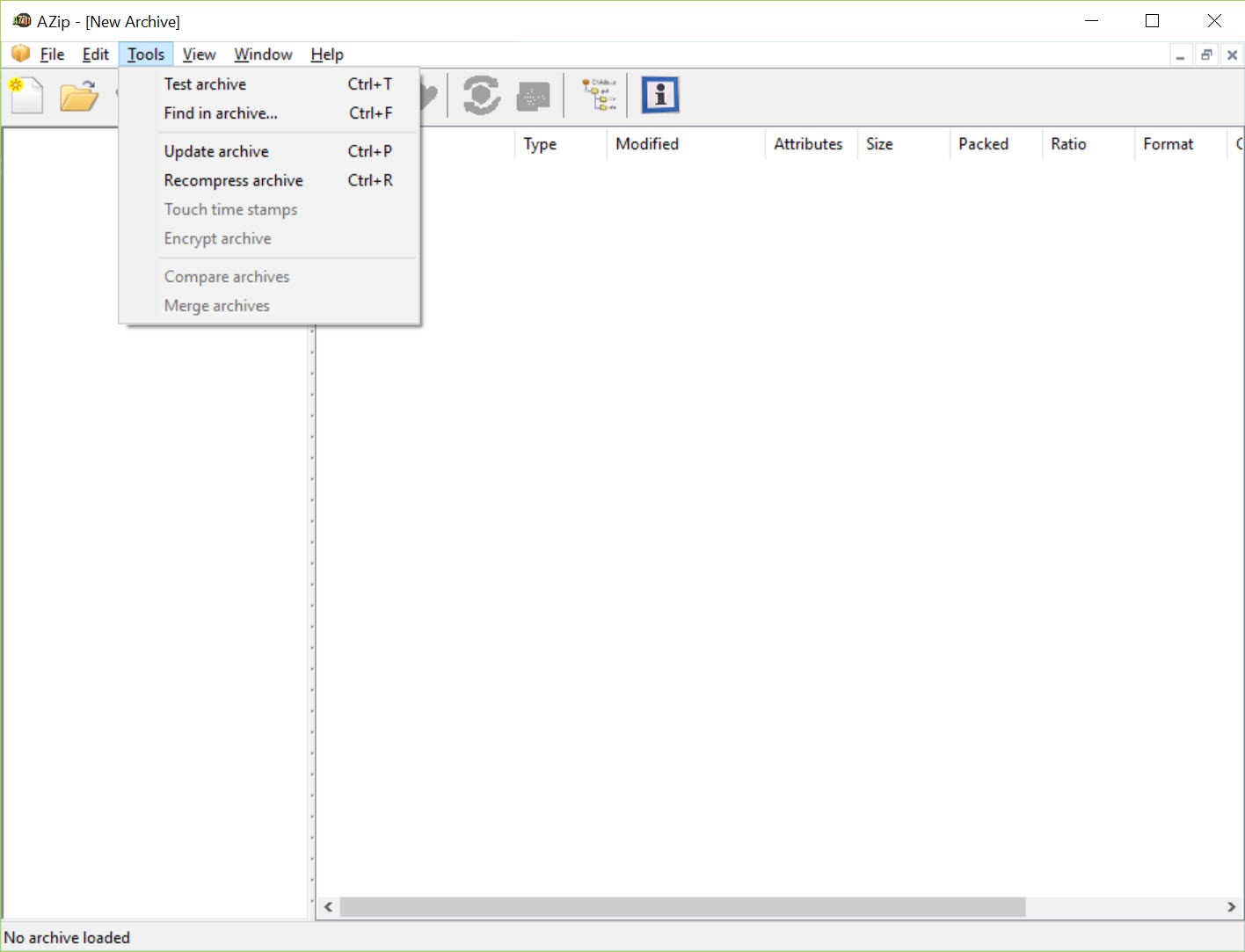
It updates an archive intelligently, replacing only the files that changed since it was made. And it recompresses an archive file by file, trying several methods on each and keeping the smallest result, which shrinks a Zip made by another program without changing its contents. Everything else is deliberately plain. Open, extract, add, delete, test, done.
It deals with Zip and nothing else, and it leans the other way from the archivers that boast about format counts. AZip reads the whole history of Zip compression methods, from the ancient ones that almost nothing else still opens to the modern LZMA and BZip2 methods that few Zip tools write.
An old archive from a forgotten disk opens here when it fails elsewhere. It runs from a stick with no installation and can keep its settings in a file beside it instead of in the system, which it calls stealth mode. The sections below cover the three distinctive features, the format support, the encryption caveat and where a general archiver is the better pick.
Searching inside an archive
Open an archive in AZip and type in the search box. The program looks through the names of the files and, if you ask, through their contents, reporting which files contain the text. That is how a Zip of a hundred letters gives up the one that mentions a particular name, without extracting the lot and searching the folder afterwards. Results list the matching files, and any of them extracts or opens from there.
The search reads the content as text, so it suits documents and source code, logs, and anything else stored as readable characters. It will not find a word inside a picture or a compressed file within the archive. For a folder of archived correspondence or old project files, it saves the unpack-and-search routine that most archivers leave to you.
Smart update and recompression
AZip Update compares a folder with the archive made from it and replaces only the files that changed, adding the new ones, instead of rebuilding the whole archive. A large project archive kept current this way updates in seconds rather than minutes.
Recompression is the unusual one. The program opens each file inside an archive, tries the compression methods it knows, and keeps whichever makes that file smallest, then writes the result as a new archive. Different files compress best with different methods, so an archive written with one method throughout usually shrinks, sometimes by a worthwhile margin, and it remains an ordinary Zip that any program opens.
Run it on an archive you are about to send or store and the gain is free of effort.
Every Zip method ever used
Zip is a container, and the files inside it can be compressed by any of several methods, all of which AZip reads. Modern archivers write Deflate and stop. This program reads and writes the whole set, from the early Reduce, Shrink and Implode methods to Deflate and Deflate64, and on to BZip2 and LZMA, which pack tighter than Deflate at the expense of speed. Choosing LZMA for a Zip gives much of the saving of a 7-Zip archive while keeping a file that every system opens.
The reverse matters more often. Archives made by old tools, with methods current archivers have dropped, open here. For the widest set of other formats, RAR and 7-Zip among them, the open-source archiver with the broadest format list is the general tool, and the two sit comfortably side by side.
Encryption, and the caveat
AZip archives can be encrypted with a password. The method is the traditional Zip encryption, which every Zip program supports and which is weak by modern standards. It keeps a casual reader out of a file and does not keep a determined one out. That suits a document sent by email to someone who should not read it over a shoulder, and it does not suit anything that must stay secret.
For a Zip that is encrypted with AES, which is strong, a general archiver such as Bandizip writes that form and this one does not. Treat the password here as a courtesy lock rather than a safe.
Where a general archiver is the better pick
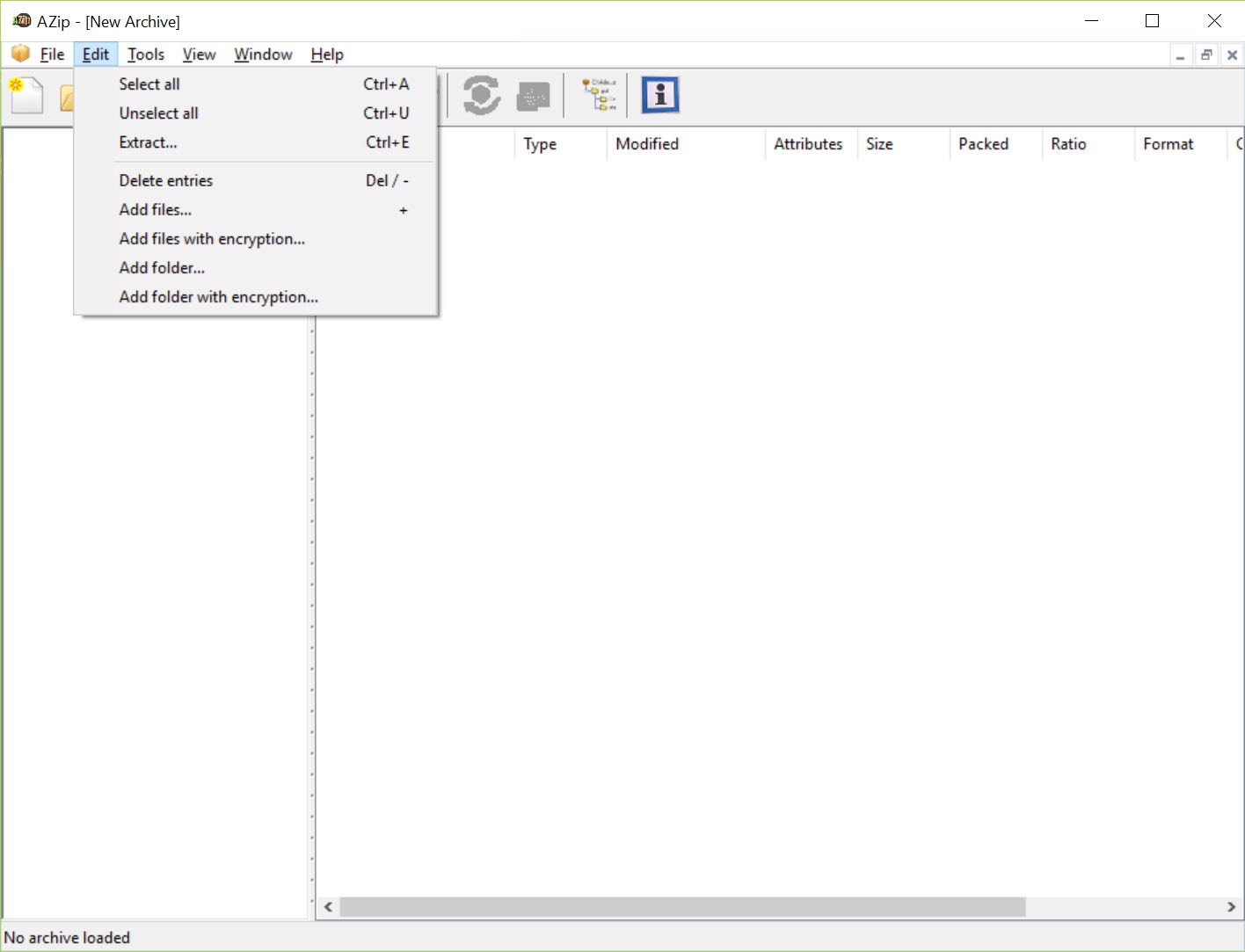
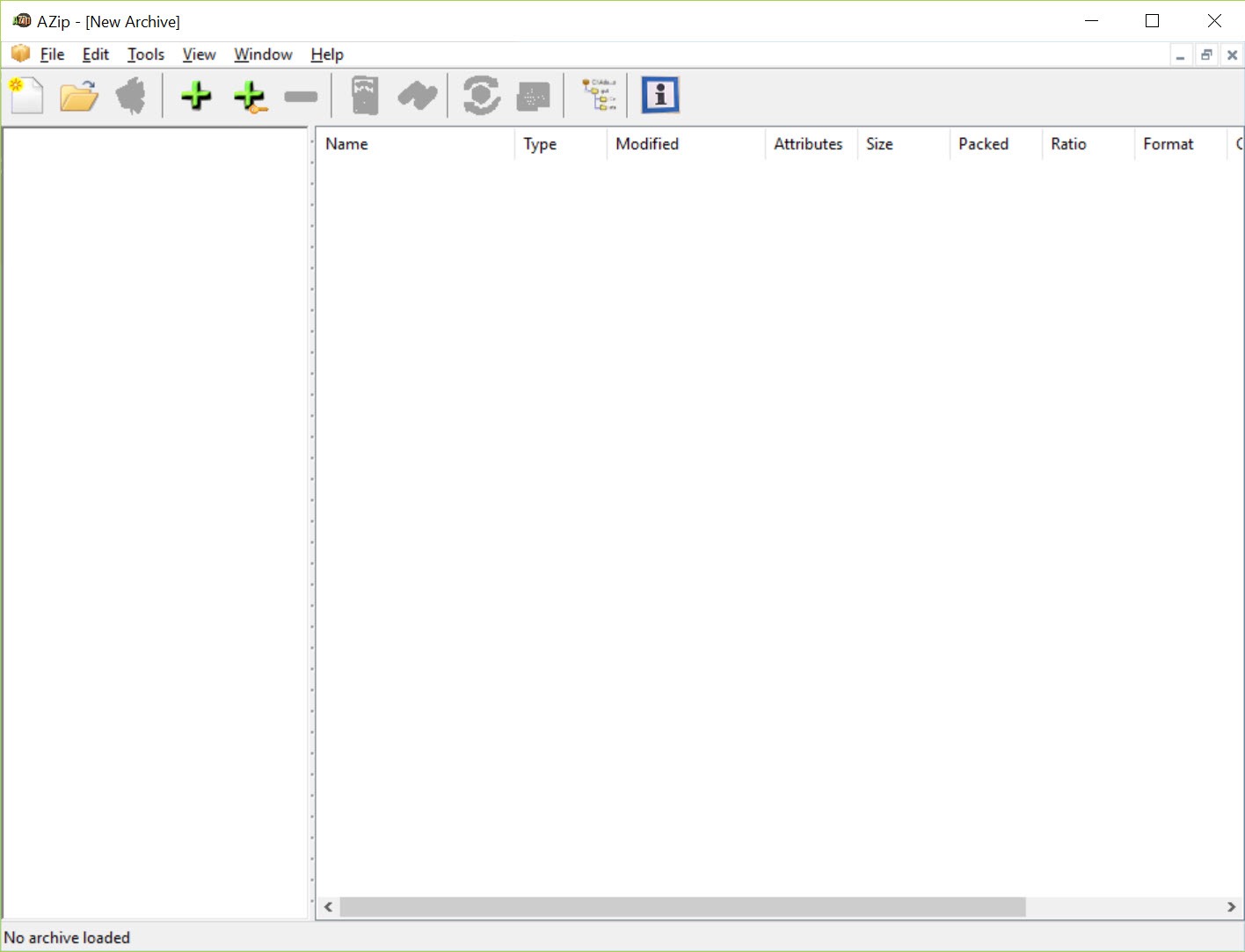
Zip only, by design. No RAR, no 7-Zip format, no disc images. No context menu integration beyond what you set up yourself, no preview of pictures inside an archive and an interface that is plain to the point of austerity. The project is small and moves at its own pace, though it does move, with releases arriving steadily. For a fast general archiver with a modern window and dozens of formats, including the RAR files this one cannot touch, WinRAR covers the everyday case.
This program is the specialist that reads every Zip ever made, searches inside, and shrinks what it finds.
Conclusion
AZip suits anyone with a collection of Zip archives who wants to search inside them, keep them current and make them smaller, and anyone who has met an old Zip that nothing else will open. The three distinctive features and the complete method support are the reasons to keep it beside a general archiver.
It handles one format, its encryption is a courtesy lock, and its window is bare. Use a general archiver for everything else, and this one for the Zips that need searching, updating or shrinking.
Pros & Cons
- Searches file names and contents inside an archive without extracting
- Smart update replaces only the files that changed
- Recompression picks the best method per file and shrinks existing Zips
- Reads and writes every Zip compression method, including the ones others dropped
- Single portable file with a stealth mode that avoids the system registry
- Open source and still maintained
- Zip format only, with no RAR, 7-Zip or disc images
- Traditional Zip encryption only, which is weak
- Plain interface with no previews or built-in context menu
- Small project moving at its own pace
Frequently asked questions
Yes. The search box looks through file names and, on request, file contents, and lists the files that contain the text.
It tries several compression methods on each file inside an archive and keeps the smallest, writing a new, smaller Zip that any program can open.
No. It handles the Zip format only, including old Zip compression methods that current archivers have dropped.
No. It uses the traditional Zip encryption, which every Zip program opens and which is weak by modern standards. Treat it as a courtesy lock, and use AES encryption from a general archiver for anything that must stay secret.


